The Future of Work: Remote vs. In-Office vs. Hybrid
The way we work has undergone a seismic shift in recent years, with remote work becoming increasingly prevalent. However, as companies navigate the post-pandemic landscape, the debate continues: Is remote work the future, or will in-office models make a comeback? Or is hybrid the ideal path?
1. The Rise of Remote Work
Remote work has transformed from a perk to a norm for many industries, offering employees greater flexibility and autonomy. It allows companies to tap into a global talent pool and reduces overhead costs associated with office spaces.
2. The Allure of In-Office Environments

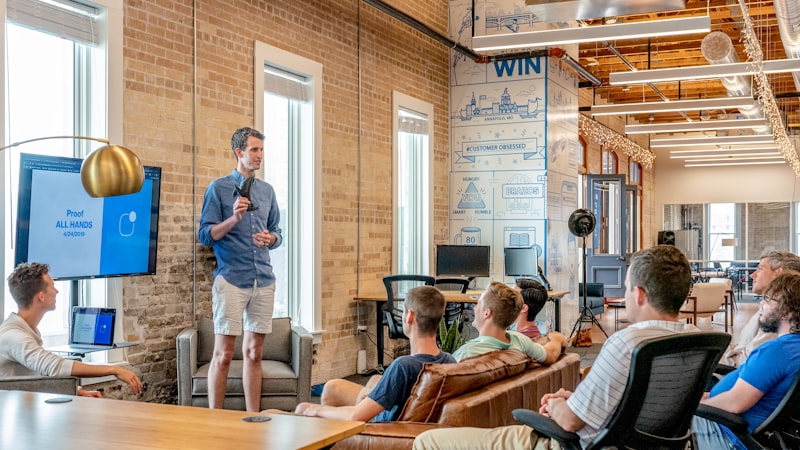
In-office environments foster collaboration, team cohesion, and a strong company culture. They provide opportunities for face-to-face interactions, mentorship, and spontaneous brainstorming sessions.
3. The Hybrid Approach: A Blend of Both Worlds
Hybrid models combine the benefits of remote and in-office work, allowing employees to split their time between home and the office. This approach offers flexibility while maintaining a sense of community and collaboration.
4. The Challenges of Each Model
Each work model comes with its own set of challenges:
- Remote: Isolation, communication barriers, and difficulties in maintaining work-life balance.
- In-Office: Commuting stress, higher costs for employees, and reduced flexibility.
- Hybrid: Coordination complexities, potential for inequity between remote and in-office employees, and the need for robust communication strategies.
5. Key Factors for Success
Regardless of the chosen model, certain factors are crucial for success:
- Clear Communication: Establish effective communication channels and protocols.
- Technology Infrastructure: Invest in the necessary tools and technologies to support seamless collaboration.
- Employee Well-being: Prioritize employee mental and physical health through flexible work arrangements and wellness programs.
- Adaptability: Be prepared to adjust your approach based on employee feedback and evolving business needs.
Final Thoughts
The future of work is not a one-size-fits-all solution. It requires organizations to thoughtfully consider their unique needs, culture, and employee preferences. Whether it’s remote, in-office, or hybrid, the key is to create a work environment that fosters productivity, collaboration, and employee well-being.
Join the Conversation