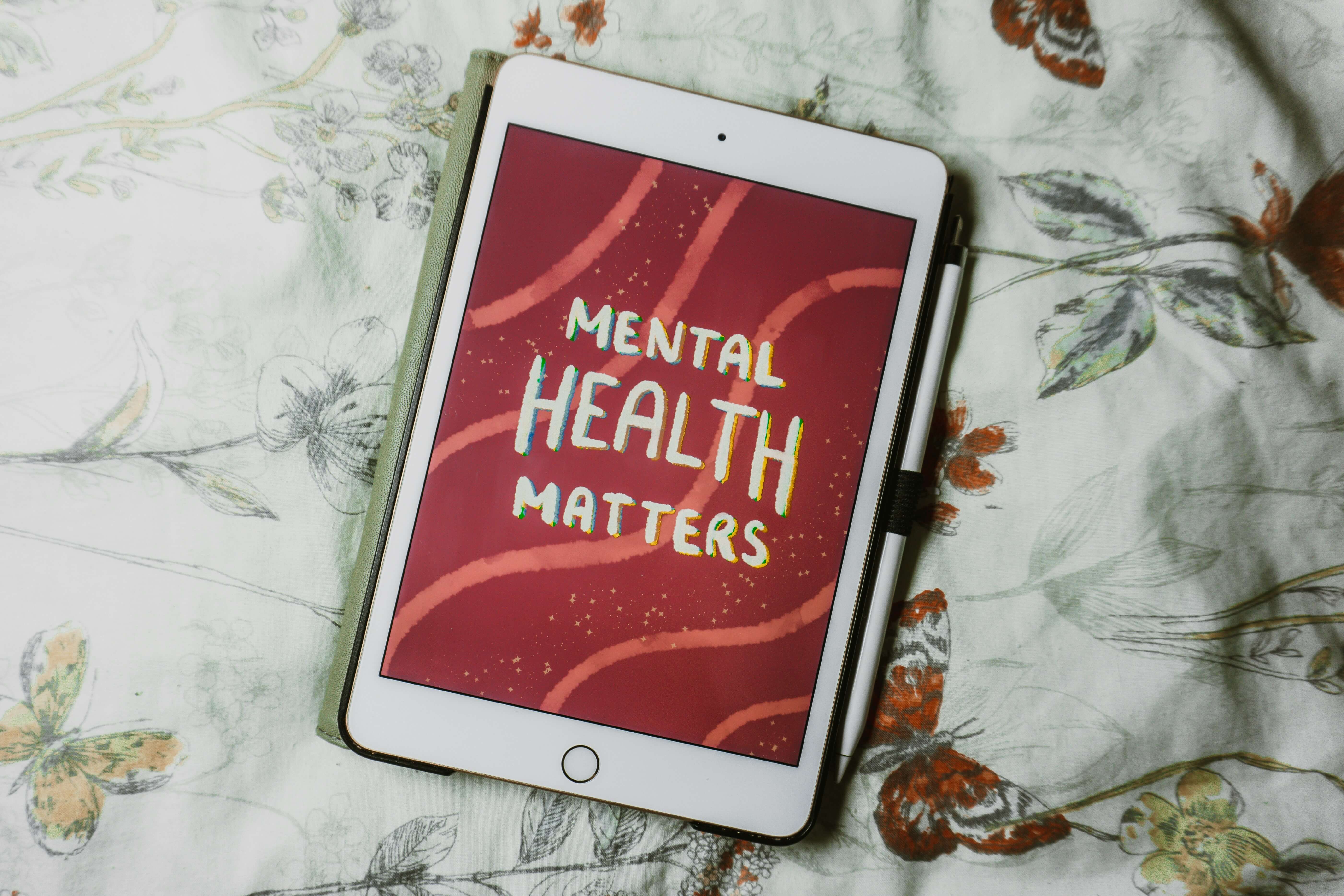
Understanding Mental Health: Why It Matters More Than Ever
In today’s world, we talk so much about success, appearance, and productivity that mental health often gets pushed aside — until it can’t be ignored anymore. The truth is, mental health is just as important as physical health. It affects how we think, feel, and act every single day.
What Is Mental Health, Really?
Mental health isn’t just about the absence of depression or anxiety — it’s about how we handle life’s challenges, manage stress, build relationships, and make decisions. A mentally healthy person isn’t one who never struggles, but one who can recover, adapt, and grow stronger after challenges.
“You can’t pour from an empty cup — taking care of your mind isn’t selfish; it’s survival.”
Common Signs You Might Be Struggling
- Constant fatigue or lack of motivation.
- Overthinking small issues or constant self-criticism.
- Withdrawing from friends or things you once enjoyed.
- Changes in sleep, appetite, or daily routine.
- Feeling numb or disconnected even when things seem fine.
These signs don’t always mean something is “wrong,” but they do mean you need to pause, breathe, and take care of yourself.
How to Take Care of Your Mental Health
1. Talk About It: Silence makes mental health struggles worse. Find someone you trust — a friend, counselor, or family member — and express how you feel. You don’t have to fix everything; sometimes, just being heard is healing.
2. Rest Without Guilt: Our generation often confuses busyness with purpose. Resting is not laziness. Your brain, like your body, needs downtime to reset and recover.
3. Limit Digital Overload: Constant scrolling can quietly drain your energy and confidence. Try scheduling “offline hours” — even 30 minutes daily — to reconnect with yourself or nature.
4. Practice Mindfulness and Gratitude: Taking a few minutes to breathe deeply or write down what you’re thankful for can help train your brain to focus on peace, not chaos.
5. Seek Professional Help When Needed: There’s no shame in therapy or counseling. In fact, it’s a sign of strength to know when you need guidance. If you ever feel hopeless, talk to someone — help is closer than you think.
The Truth About Healing
Healing doesn’t mean being happy all the time — it means being honest about your pain and still choosing to move forward. Mental health isn’t a one-time fix but a lifelong relationship with yourself.
Join the Conversation